September 27, 2026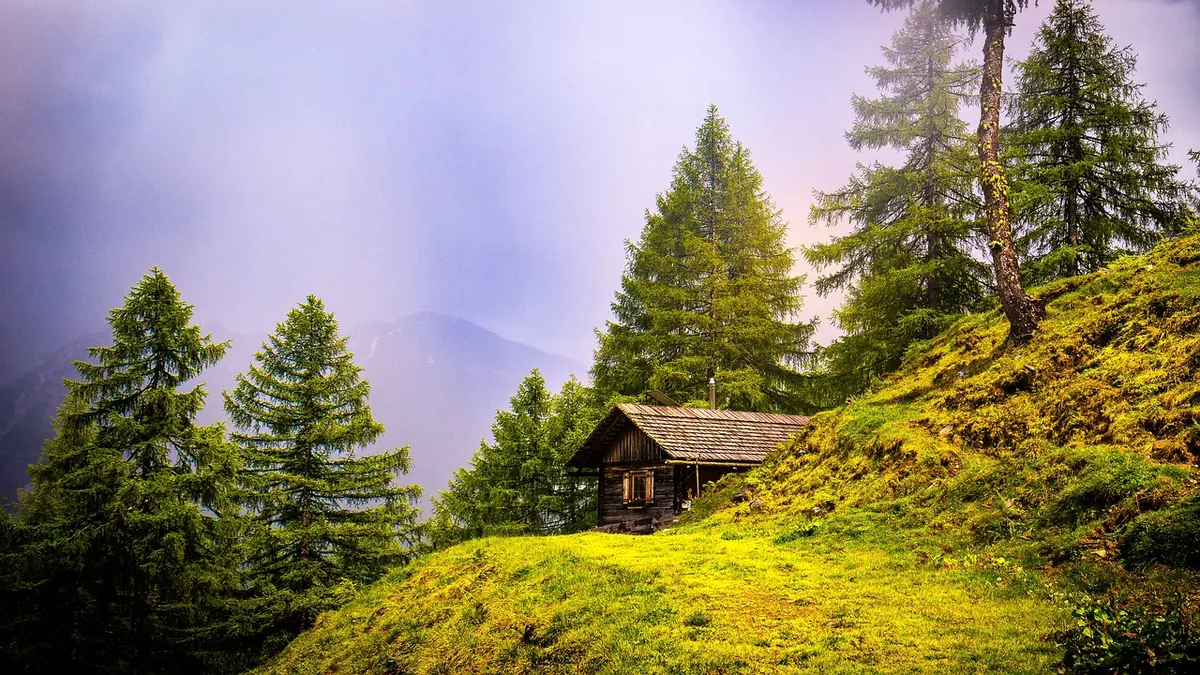
The words get swapped around so casually that plenty of buyers end up touring properties that never had a chance of suiting them. A cottage and a cabin can share the same lake and the same dock and still ask completely different things of the people who own them: different money, different weekends, different skills. Getting the distinction straight before you start looking narrows the search fast — and keeps you from buying a charming log retreat only to realize you wanted a place for twelve people and a pontoon boat.
The Words Mean Different Things Depending on Where You Stand
In Canada and the northeastern United States, cottage usually means a seasonal home near water — a lake, a river, a bay. In England, the same word describes a small, old, low-ceilinged village house, often stone or brick, with a garden the size of a rug. Neither is wrong. They're just different markets.
Cabin is more consistent. It signals wood, woods, and a smaller, simpler structure — log, timber frame, or board-and-batten — whether it sits in Tennessee, Ontario, or the foothills of the Alps.
The overlap matters because listings borrow from both vocabularies. A "lakeside cabin" may be a cottage with log siding. A "modern cottage" may be a cabin with drywall and in-floor heat. Read the description, then study the photos, the lot, and the services. Those tell you what you're actually buying.
Architecture and Finished Space
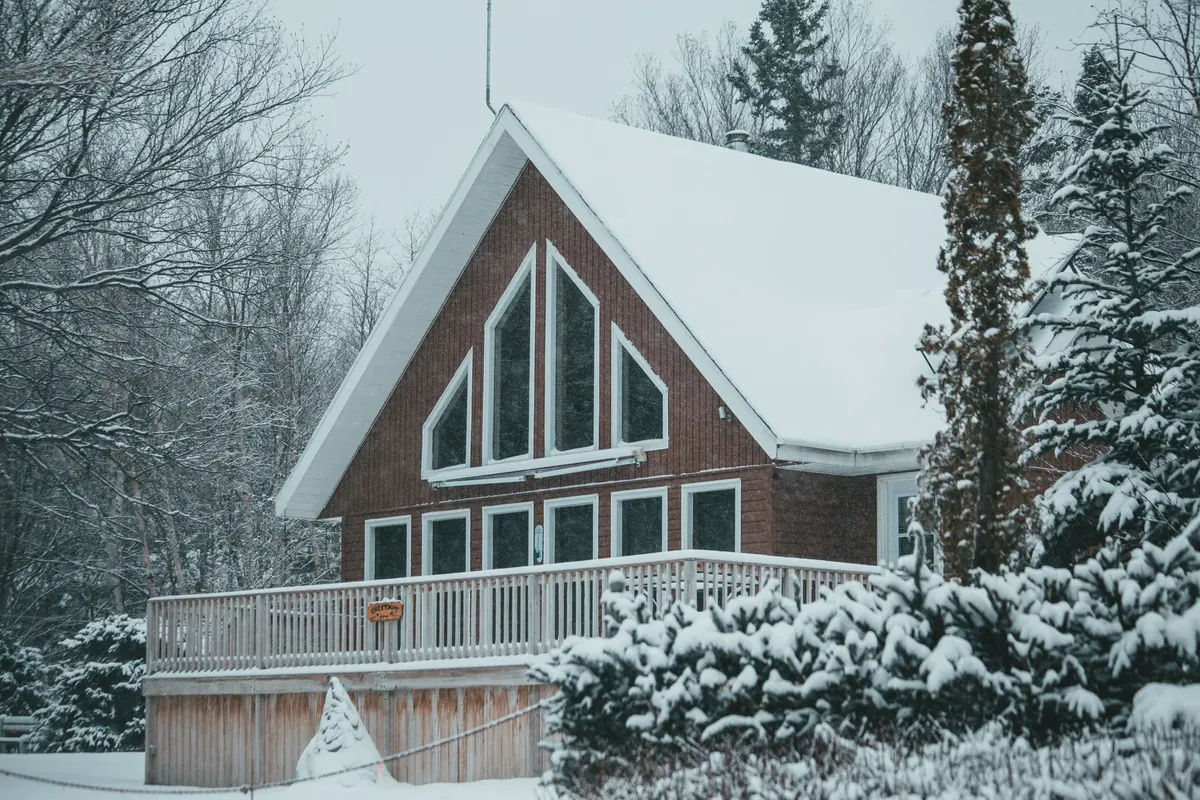
Walk into a typical cottage and you'll find painted siding or shingle outside; gables, dormers, a screened porch, sometimes a sunroom. Inside: drywall, baseboards, a full kitchen, at least one proper bathroom, bedrooms upstairs or down a short hall. Ceilings are high enough that nobody ducks.
Many cottages have grown in stages. A 1955 core with a 1980s addition and a bunkie out back produces three floor levels, two kinds of flooring, and a hallway that goes nowhere. That's normal, and often charming, but it makes renovation decisions harder than they look.
A cabin shows its bones. Log walls or exposed timber, a vaulted main room, a loft for sleeping, few interior partitions. The kitchen is a counter, a sink, and a stove in the same room as everything else. The footprint is smaller and rooms do double duty. A cabin with 700 square feet feels like 700 square feet; a cottage with the same number often feels larger because the space is divided.
Setting and Access
Waterfront is the cottage default. You get a dock, a shallow entry for kids, neighbours within earshot, and a road that is usually plowed. Mornings involve coffee on the deck and someone already out in a kayak.
Cabins lean toward woods, hills, or acreage. Privacy is the amenity. Access might be a long gravel drive, a steep grade, or a road that sees a plow only when a neighbour runs one. Utilities can be a well, a septic system, a propane tank, and a generator — or a full off-grid setup.
The winter question
This is where the two styles separate hardest. Many cottages are three-season: water shut off in October, pipes drained, the place closed until May. Using one in January means insulation, heat that runs unattended, and dependable road access — all things to confirm rather than assume. Cabins are often built for shoulder seasons with wood heat and a backup, which is part of the appeal for hunters, skiers, and anyone who likes a quiet February.
Maintenance: The Honest Comparison
Both will take more of your weekends than you expect. The character of the work is different.
- Cottage work: dock in and out every spring and fall; lawn, gardens, and shoreline that grow faster next to water; humid air finding its way into closets and under mattresses; multiple roof planes, eaves, and sunroom glazing to maintain; boats, paddles, and life jackets to store.
- Cabin work: snow load on the roof, and either your back or a contractor's bill; firewood cut, split, stacked, and carried all year; well pump, septic, filters, and freeze protection; the annual October mouse invasion; long driveways, culverts, and washouts after heavy rain.
Roughly put: a cottage costs more in money and coordination. A cabin costs more in labour and self-reliance. A cabin on a rough road with no plowing can also be the cheaper purchase of the two — just don't mistake a low price for a low workload.
The Vibe — and How You'll Really Use It
Cottages are social buildings. They're designed around guests arriving with a cooler, long dinners, kids sleeping in the bunkie, and a rotation of people on the dock. If your ideal weekend includes eight relatives and a barbecue, this is the shape you want.
Cabins are retreats. Two chairs by a stove, a stack of books, a trail out the back door, early nights. The silence is the feature. Hosting a crowd works for a weekend and gets old by the second one.
There's a rental dimension too. Waterfront cottages near a population centre tend to rent in summer, because families want a kitchen, a dock, and space. Cabins draw a narrower but loyal group: couples, hikers, hunters, someone booking a quiet week to write. Both can work, but the season and the guest are different — and local demand varies enormously from one lake or valley to the next.
A Quick Decision Guide
- Picture yourself arriving in February. If the answer is "I wouldn't," a three-season cottage will cost less and close faster.
- Count who sleeps over. Six or more points to a cottage; two points to a cabin.
- Decide who does the work. Firewood and snow removal are physical. Docks and lawns are seasonal and hireable.
- Choose water or trees. Being honest about which one you'd rather look at for twenty years settles more arguments than any spreadsheet.
- Inspect the boring things: water quality, well flow, septic condition, roof age, and insurance availability. Some insurers are cautious about wood-heat-only homes and remote properties, so call an agent early. For financing, taxes, or land-use and shoreline rules, get local professional advice rather than relying on a neighbour's recollection.
Choosing With Your Eyes Open
Visit in the wrong season. A lake that sparkles in July can be grey, windy, and empty in November, and you need to like that version too. Drive the access road after a rainstorm. Knock on a neighbour's door and ask what breaks, what the plow does, and who fixes the well. Rent for a week in the shoulder season if you can; it's the cheapest test you'll ever run.
Then match the building to the life you actually live, not the one on the brochure cover. Want company, water, and a real kitchen? Buy the cottage. Want quiet, trees, and a stove? Buy the cabin. Both are good choices. They're just not interchangeable.
Photo: liggraphy / Pixabay