October 03, 2026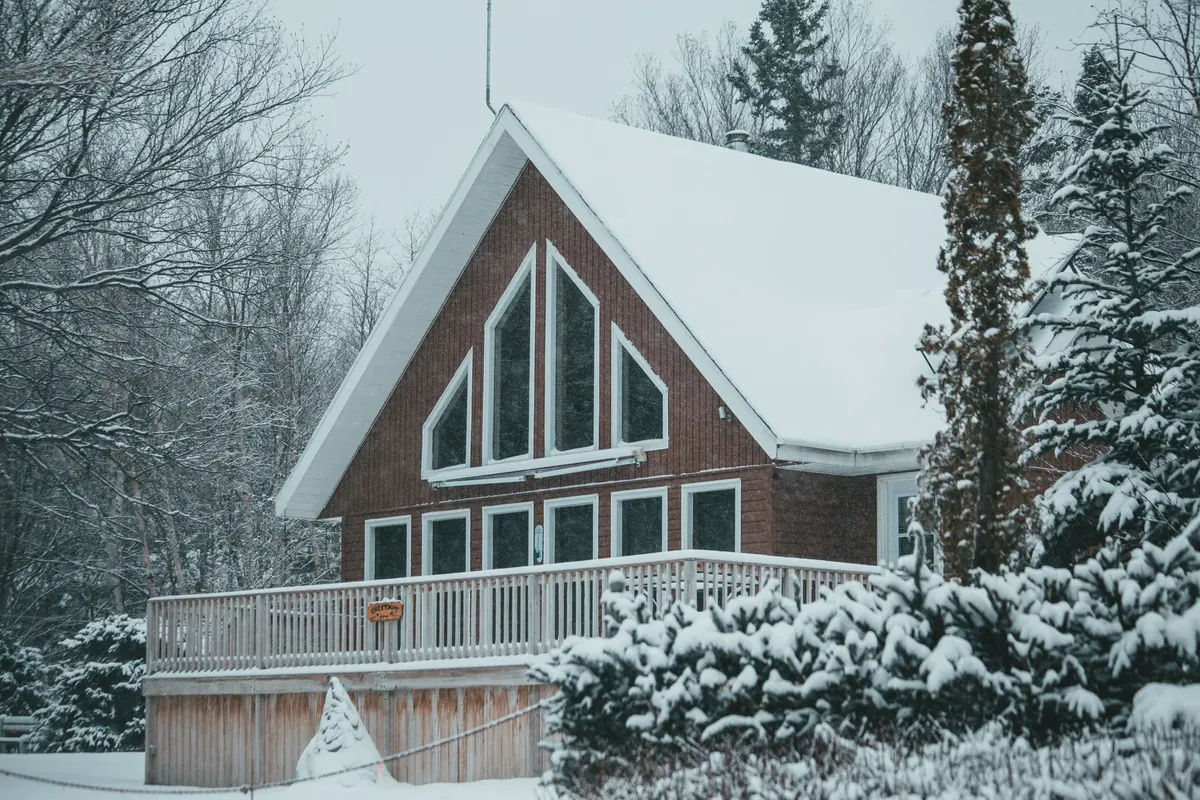
Cold weather at the cottage announces itself in stages. First you notice it at your ankles, then at the back of your neck, then in the sound of the heat running all night without quite catching up. Much of what a cottage loses in winter slips out through small gaps you have walked past all summer without seeing.
The fix is rarely a renovation. It is a weekend with a caulking gun, a few rolls of weatherstripping, and a flashlight pointed into corners you normally ignore.
First, Find the Drafts
Before you buy anything, walk the cottage on a cold, windy day and find out where the air is actually coming in. Your hand works fine, but a damp hand, a candle flame, or a stick of incense works better because it shows movement rather than just temperature.
- Start at the front door and work clockwise around each room, holding your hand at the base of walls, along window frames, and behind furniture on exterior walls.
- Check the obvious offenders: door bottoms, window sashes, electrical outlets on outside walls, the attic hatch, and wherever pipes or cables pass through the wall.
- Go outside and look again. Gaps where siding meets the foundation, an unsealed dryer vent, a hose bib that was never caulked, and a chimney flashing that has pulled away are all common leaks.
- Write the list down. A pencil and a scrap of paper beat trying to remember six rooms later.
Priority matters. The worst leak in the cottage is worth fixing before the ten smallest ones, even if the small ones are easier to reach.
Seal the Windows Without Losing the View
Old cottage windows are charming and leaky in roughly equal measure. You do not have to replace them to stop the draft.
For windows you will not open until spring
Clean the frame first, then run a bead of removable rope caulk or seasonal window sealant along the joints where the sash meets the frame. Rope caulk peels away in April with no scraping. For the moving parts, use a V-strip or felt weatherstrip on the sides of the sash, not on the meeting rail where it will bind.
Shrink film kits are still the cheapest comfort upgrade going. Press the double-sided tape to a clean, dry frame, stretch the film tight, and shrink it with a hair dryer on low. Done properly, the film disappears and the room stops feeling like a screened porch.
For windows in daily use
Weatherstrip the frame and add a locking latch or sash lock, which pulls the sashes together and tightens the seal. If a window is a bedroom exit, keep it operable. Never seal an egress window permanently with film and tape.
Ten dollars of weatherstripping usually does more for a room than two extra degrees on the thermostat.
Doors Are Where the Cold Walks In
A door that lets light through the gap is letting money out with it. Check the whole perimeter, not just the bottom.
- Bottom: a door sweep, brush sweep, or adjustable door shoe closes the gap at the threshold.
- Sides and top: foam tape works for a season, but bulb or magnetic weatherstripping lasts longer and seals better on an uneven frame.
- Alignment: tighten the hinges and adjust the strike plate before buying anything. A door that is not square will never seal, no matter what you stick to it.
- Sliding doors: check the latch adjustment, clean the track, and run a strip of foam along the meeting stile.
A rolled draft dodger along the inside of a rarely used door is old-fashioned and still effective. So is a glass insert in the storm door, swapped in for the screen in October.
Insulate the Spots Everyone Forgets
Air does not only come around windows. It comes through the structure itself, and the neglected spots are usually the ones with the biggest payoff.
- The attic hatch. Treat it like a door: weatherstrip the frame and glue rigid foam board to the back of the panel.
- Electrical outlets and switches on exterior walls. Foam gaskets behind the cover plates cost almost nothing and stop a surprising amount of cold air.
- Rim joists in the basement or crawlspace. Seal the gap between the floor framing and the foundation with caulk or spray foam, then cut rigid foam to fit.
- Pipes near outside walls. Slide foam pipe sleeves over hot and cold lines. If a line is prone to freezing, heat cable helps, but follow the manufacturer's instructions and never bury it under insulation that traps heat.
- Foundation vents and crawlspace access. Ventilation keeps a crawlspace dry, and closing it off for winter can trap moisture. If you are unsure how your crawlspace is meant to breathe, talk to a local contractor before covering anything.
Floors, Foundations, and Cold Feet
In a cottage on piers, a cold floor is often a cold cottage. Insulated skirting helps, as do rugs with a foam underlay in the rooms you use most. Straw bales have skinned cottages for generations, but they hold moisture and attract rodents, so keep them away from the foundation and never against a heat source.
Curtains matter more than people expect. Heavy, floor-length drapes draw across a window at dusk and hold real warmth in the room. Open them on sunny days, close them before the temperature drops.
Heat Smarter, Not Harder
A few habits make whatever heat you have go further. Run ceiling fans clockwise on low to push warm air off the ceiling. Keep furniture and curtains clear of baseboard heaters. Do not use the oven as a space heater.
If you heat with wood, burn dry, seasoned wood and have the chimney cleaned and inspected each year. Keep a carbon monoxide alarm on every level and test it monthly. Space heaters should plug directly into a wall outlet, never an extension cord, and stay a metre clear of anything flammable. Fire safety is one area where a professional opinion is worth paying for.
Before the Cold Settles In
Start with the front door and the windows in the rooms you actually use. That is where you will feel the difference first, and it will give you momentum for the attic and the crawlspace later.
Keep a basket of supplies in the mudroom: caulk, weatherstripping, foam gaskets, a utility knife, and a roll of film. Write down what you sealed and when, so next autumn you are checking your own notes instead of starting over.
If the cottage sits empty for weeks at a time, freeze protection deserves its own plan. Know where your shut-off valve is, keep a minimum heat setting, or drain the lines entirely. A plumber's hourly rate is cheaper than a burst pipe in February.
Photo: Erik Mclean / Pexels